
Dept. Of Animal Science Hosts 2026 International Society for Applied Ethology Conference
The Department of Animal Science at the University of Cape Coast (UCC) has hosted the 2026 International Society for Applied Ethology (ISAE) Conference to promote innovative and inclusive approaches to animal welfare and ethology.
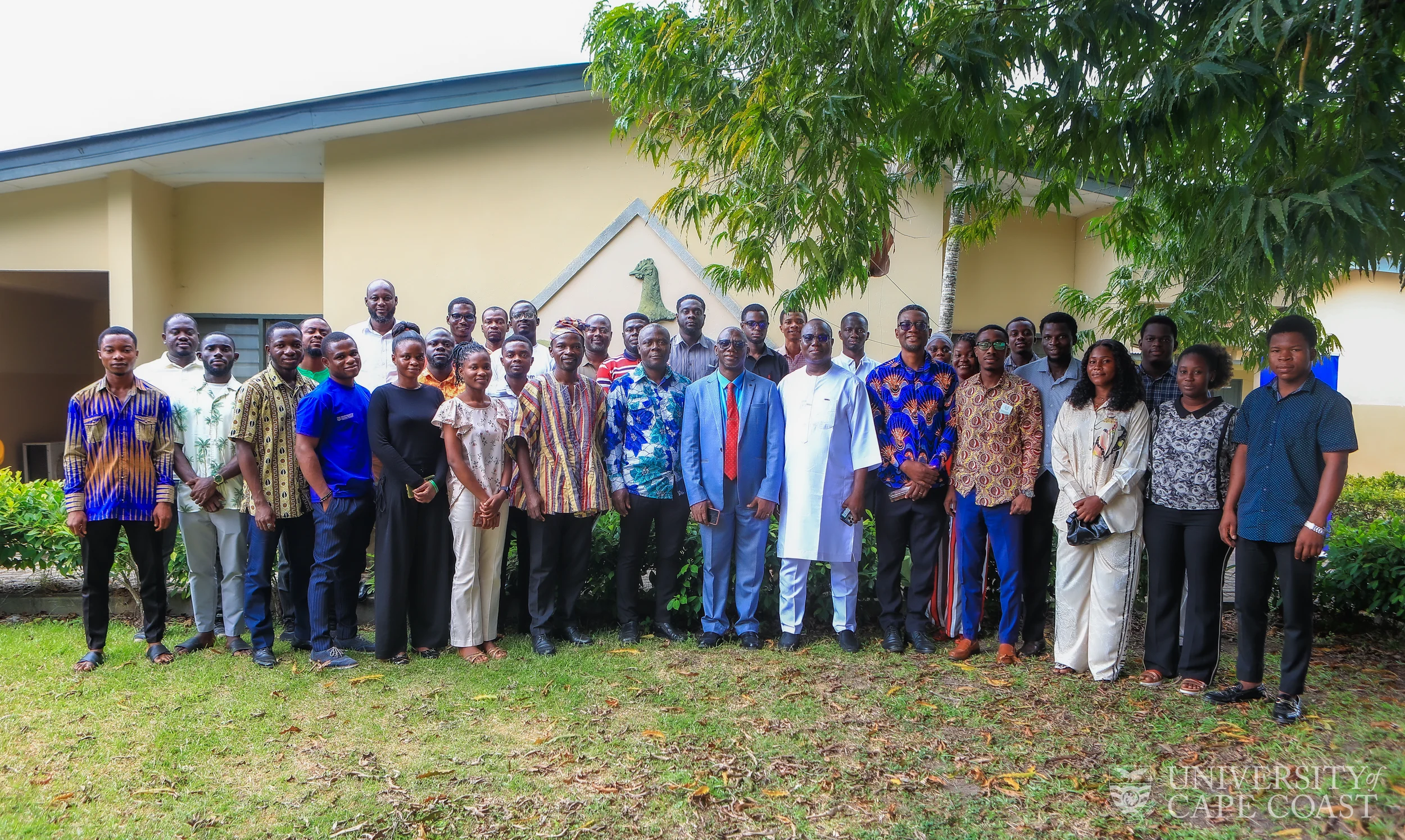
The Department of Animal Science at the University of Cape Coast (UCC) has hosted the 2026 International Society for Applied Ethology (ISAE) Conference to promote innovative and inclusive approaches to animal welfare and ethology.
The two-day conference was held under the theme “Animals Welfare: Driving Innovative and Inclusive Animals Ethology in Africa,
The conference which brought together animal scientists, researchers and experts from across Africa and beyond provided a platform for participants to share their research works, discuss emerging challenges and explore practical solutions to improving the treatment and management of animals across Africa.
Speaking at the conference, the Central Regional Director of Agriculture, Mr. Ebenezer Azazu, called for greater attention to animal welfare, noting that the issue remained largely overlooked in many communities and within the livestock sector.
According to Mr. Azazu, animal welfare should be viewed comprehensively to include appropriate housing, feeding and general care. He, however, noted that there was limited knowledge among some farmers and animal handlers about these basic welfare requirements.
He explained that although legislation existed to protect animals, inadequate enforcement of the laws continued to make it difficult to effectively address animal welfare concerns.
Mr. Azazu further expressed concern about the number of livestock kept under free-range systems, where animals were often left to fend for themselves with little or no proper care.
He said the situation required increased public education and stronger enforcement of existing legislation to ensure that animals received appropriate care and protection.
He urged stakeholders in the agricultural and livestock sectors, as well as communities, to take animal welfare seriously, stressing that proper housing, feeding and care were essential components of responsible livestock production.
The Head of the Department of Animal Science, Prof. Moses Teye, also called for increased education on the proper handling and welfare of animals in Ghana.
He said poor handling was among the factors affecting the growth and productivity of animals, adding that the use of unskilled animal handlers continued to undermine the development of the livestock industry.
Prof. Teye explained that the Department’s new programmes were aimed at equipping Ghanaians with the knowledge and skills needed to properly care for and handle animals.
“We are not here to fight for the rights of animals, but we want them to be treated fairly,” he said, stressing that mistreatment of animals could negatively affect their productivity.
Prof. Teye called on Ghanaians, particularly farmers and animal handlers, to give proper care and attention to animals. He said improving animal welfare would not only reduce unnecessary suffering but also enhance livestock growth and productivity and contribute to the development of Ghana’s livestock industry.
Last updated: August 21, 2026
Related News
Zenith Bank, Congratulates Vice-Chancellor
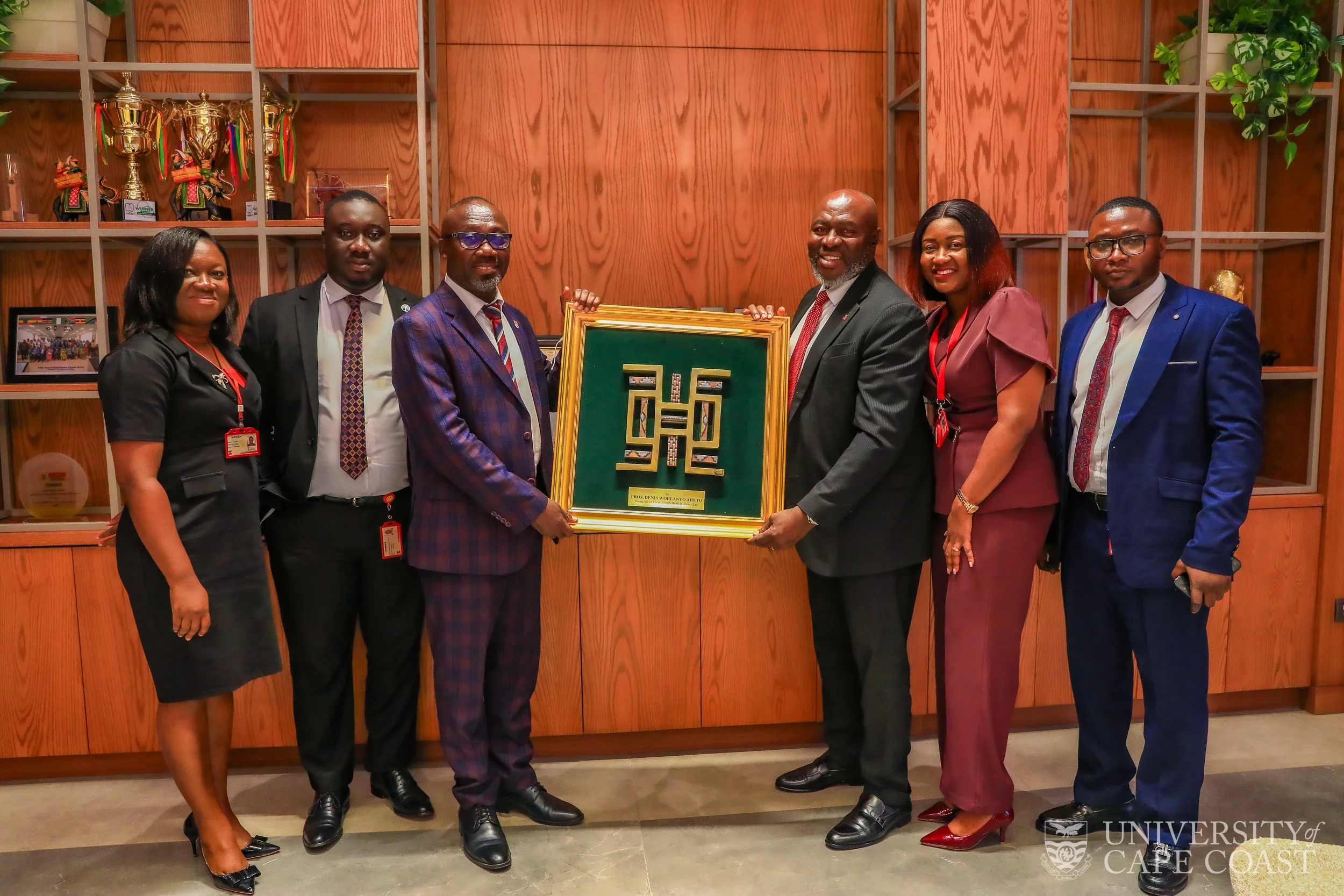
Management of Zenith Bank Ghana, has paid a courtesy visit to the Vice-Chancellor of the University of Cape Coast (UCC), Prof. Denis Worlanyo Aheto, to congratulate him on his appointment and discuss opportunities for collaboration.
UCC Launches Africa Ocean Institute to Drive Sustainable Blue Economy
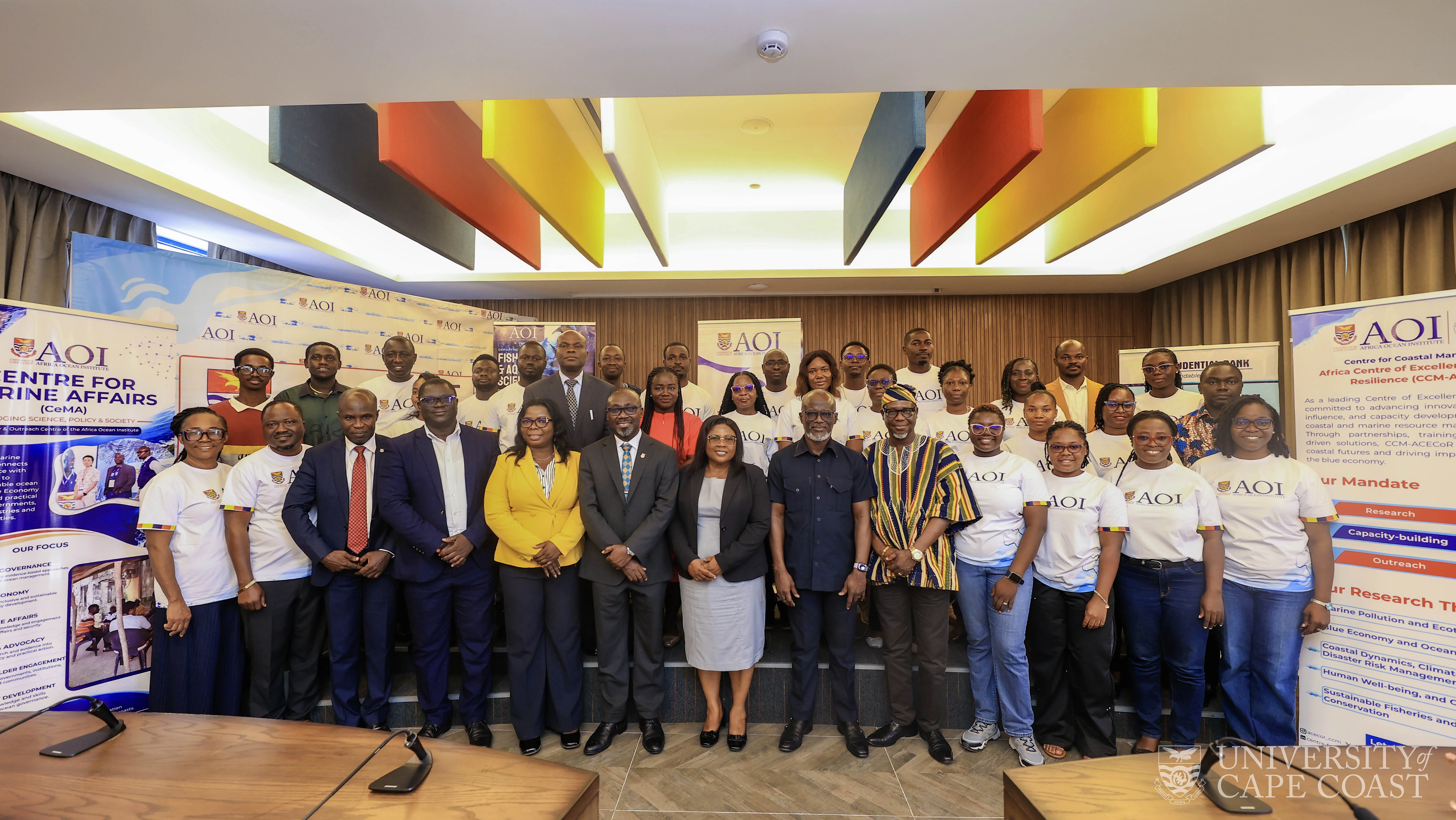
The University of Cape Coast (UCC) has officially launched the Africa Ocean Institute (AOI) to strengthen ocean research, marine governance and sustainable development across Africa.
UCC Professor Calls for Coordinated Approach to Transform Ghana’s Tourism Sector
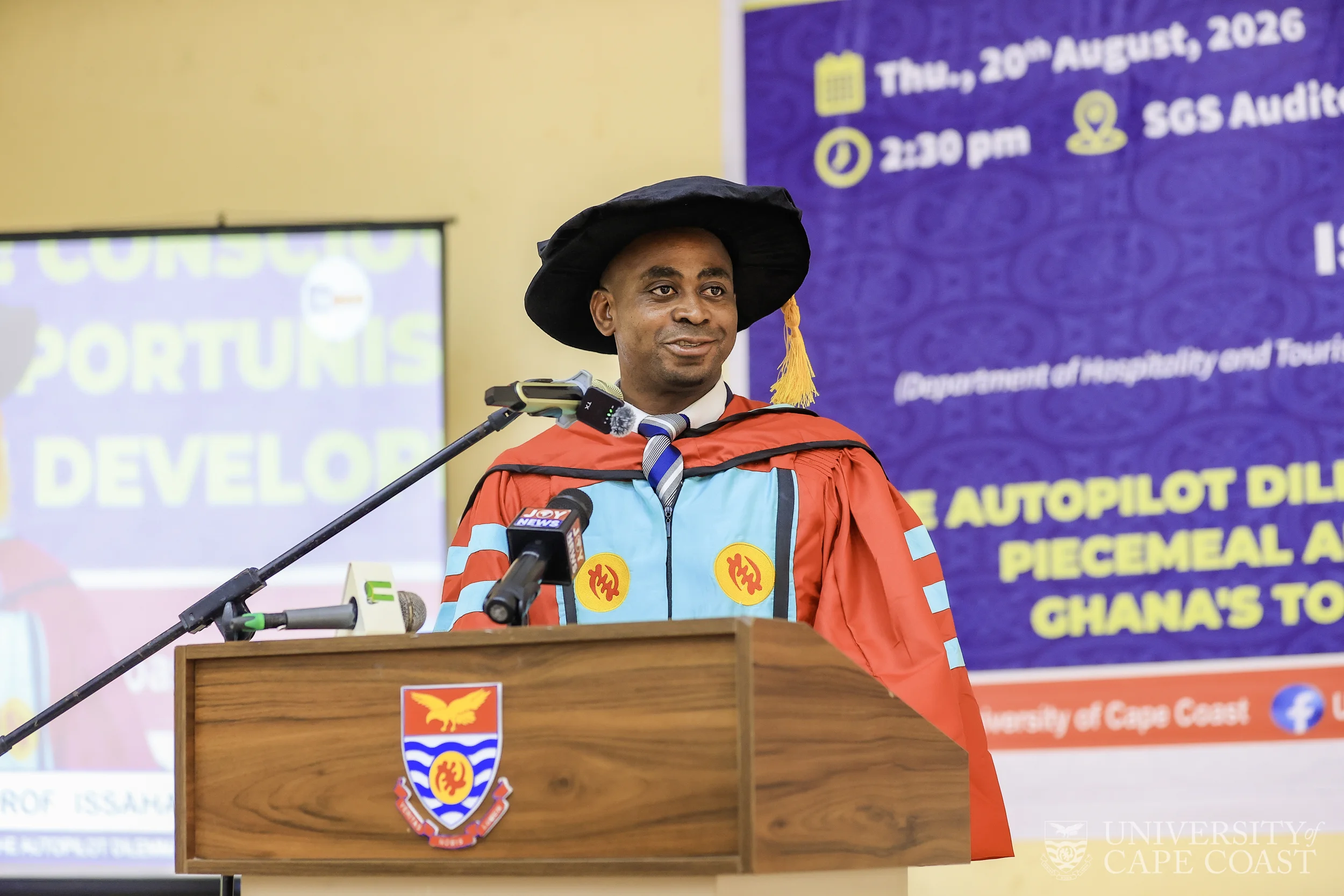
A Professor of Tourism Management at the University of Cape Coast (UCC), Prof. Issahaku Adam has called for a deliberate, coordinated and business-oriented approach to tourism development to enable Ghana to maximise the sector’s economic, social, cultural
